


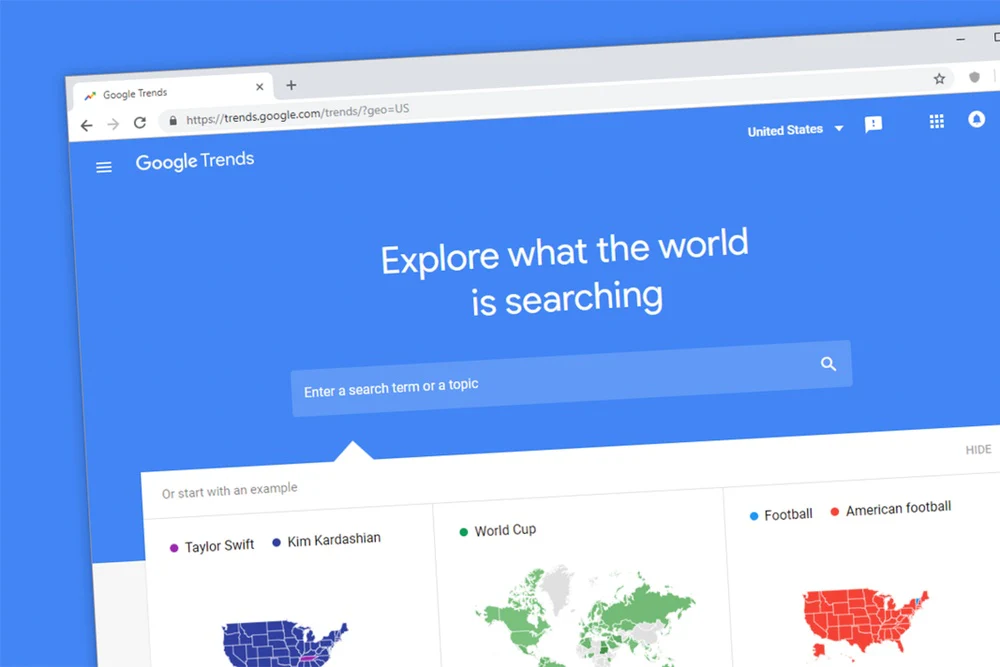
In the fast-paced world of SEO, timing and relevance can make or break your content strategy. While evergreen keywords bring long-term traffic, riding the wave of trending topics can boost visibility and engagement instantly. That’s where Google Trends becomes an invaluable tool for marketers, bloggers, and businesses.
In this blog, we’ll break down how to use Google Trends for SEO, how to spot content opportunities, and why a trending search like “Australia vs West Indies” could be your next goldmine for traffic.
What is Google Trends?
Google Trends is a free tool from Google that shows how often a particular search term is entered relative to the total search volume across various regions and languages. It offers insights into:
- Rising keyword trends
- Seasonality
- Regional interest
- Related topics and queries
It’s like having a direct pulse on what the world is searching for — in real time.
Why Use Google Trends for SEO?
Using Google Trends can help you:
- Identify trending topics for blog content
- Compare keyword popularity over time
- Find seasonal keywords for campaigns
- Target keywords by region or location
- Plan YouTube content with trending video searches
- Spot rising search terms before your competitors do
And best of all? It’s free and extremely easy to use.
How to Use Google Trends for Keyword Research
Here’s how you can integrate Google Trends into your keyword and content strategy:
1. Search for a Keyword
Let’s say you’re targeting the keyword “email marketing.” Type it into Google Trends to see its popularity over time.
You’ll get a graph that shows:
- Interest over time
- Regional breakdown
- Related queries
You can switch between past 30 days, 90 days, or even 5 years to spot seasonality.
2. Compare Two Keywords
You can compare up to five keywords side by side. For example:
- “Email marketing” vs “social media marketing”
- “Fitness plan” vs “weight loss tips”
This helps determine which topic to focus on for maximum impact.
3. Explore Rising Queries
In the “Related Queries” section, Google lists:
- Top queries: Most searched terms
- Rising queries: Fastest-growing search terms
This is where magic happens. If you notice a breakout term like “Australia vs West Indies live score”, you can quickly create content around it and rank before the competition catches up.
Trending Topics Example: “Australia vs West Indies”
Let’s say there’s a T20 cricket match between Australia and West Indies — a high-profile, widely watched event. People across the globe might search for:
- Australia vs West Indies live score
- Australia vs West Indies highlights
- AUS vs WI match result
- Australia vs West Indies prediction
If your blog is even remotely related to sports, entertainment, betting, or even data analytics — you can ride this trend with a relevant, timely blog post.
Bonus Tip: Even if you’re not in the sports niche, you can creatively integrate trending keywords in analogy-based content. For example:
“Staying on top of Google algorithm updates is like watching an Australia vs West Indies match — unpredictable, intense, and requires solid strategy.”
Use Regional Trends for Local SEO
One powerful feature of Google Trends is the region-specific data. You can see how popular a keyword is in different cities, states, or countries.
This is especially useful if you’re doing local SEO.
Say you’re a digital marketing agency in Mumbai. Instead of targeting just “SEO services,” you could look into what Mumbai users are searching for — maybe they’re searching more for “local SEO agency” or “SEO consultant near me.”
Google Trends can validate these assumptions.
Capitalize on Seasonal Trends
Certain topics peak at specific times every year:
- “Christmas gift ideas” → November to December
- “Valentine’s Day quotes” → February
- “Black Friday deals” → November
- “Australia vs West Indies” → During cricket tours or World Cups
Using this, you can plan and publish content ahead of time, so it’s indexed and ready when the traffic spike hits.
Bonus: Use Google Trends for YouTube SEO
Google Trends also includes a YouTube search filter — gold for video creators.
For instance, if “Australia vs West Indies highlights” is trending on YouTube, you can:
- Create reaction videos
- Do match analysis
- Share short reels with key moments
- Create sports memes for Instagram
If your channel is optimized with these trending keywords, you stand a better chance of appearing in YouTube search and recommendations.
Tips for Using Google Trends Effectively
- Act Fast: Trending topics can fade quickly. Publish fast.
- Be Relevant: Don’t force irrelevant trends into your niche.
- Use in Headlines: Trending keywords work great in blog titles.
- Add Value: Don’t just rewrite news; add opinions, analysis, or visuals.
- Update Content: Refresh old blogs by adding trending terms or events.
Google Trends is more than a keyword tool — it’s a real-time window into user intent. Whether it’s riding on a viral trend like “Australia vs West Indies” or planning seasonal content campaigns, using this tool can bring in relevant traffic and position your brand as timely and insightful.
So next time you see a trending term, don’t scroll past — analyze it, validate it, and create content around it. Because in SEO, being early and relevant is everything.
Need help using Google Trends for your business?
Connect with CodeMax Media – your SEO & content strategy partner. We help you find trending topics that not only get clicks but also convert!

















Leave a comment